
A Nudge Photo Contest
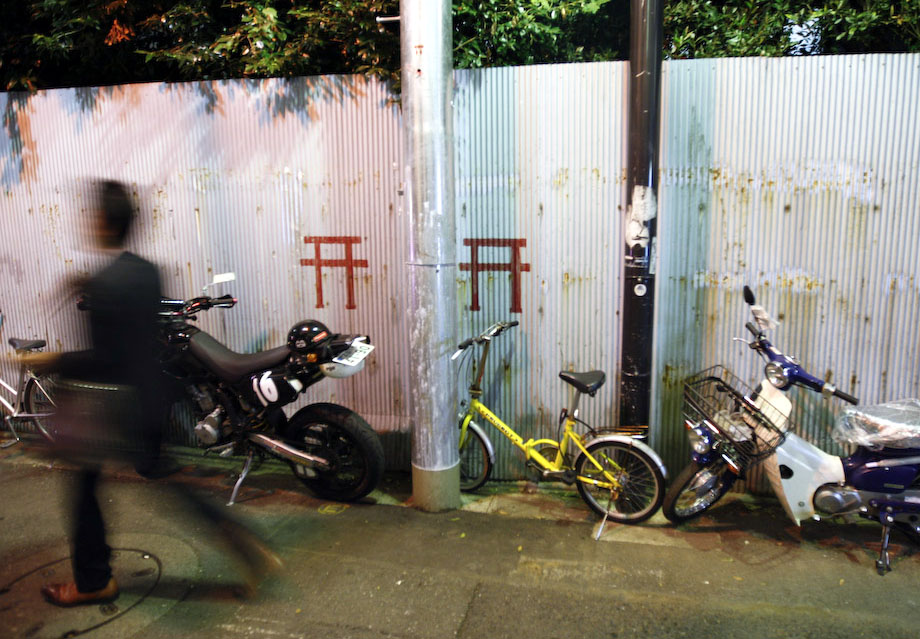
What is this photo about? It came to me courtesy of Jan Chipchase, a design guru who spoke at a great meeting last week on how to help microfinance meet the needs of clients better. As an aside, the most poignant question posed at this meeting of donors, investors, policymakers and researchers on microfinance: Why oh why did it take so long for “client needs” to be the topic of conversation? And the most important question posed: How can we go beyond understanding something about client behavior and choices and translate that knowledge to scalable policies for banking to the poor?
Anyhow, I digress, back to the contest. This is a photo of a nudge. The symbols on the wall are of a shrine. There is no shrine behind those walls. Why is there a symbol of a shrine on this wall? In the spirit of holiday charitable giving, I will give away two copies of More Than Good Intentions — one to the first person to answer correctly, and a second to a randomly chosen person from amongst those who get the right answer.
Find out who won here.
Comments